

What Are Short-Term and Long-Term Storage Services in Singapore?
Quick Answer: Short-term storage in Singapore typically covers 1 to 6 months, often with monthly flexibility. Estimated costs can start from around S$50/month for a small locker-style space, while larger household storage depends heavily on volume, duration, access needs, and whether transport is included. Long-term storage (6 months or more) may come with lower monthly rates in exchange for a longer commitment. The right choice depends on whether your situation has a fixed end date.
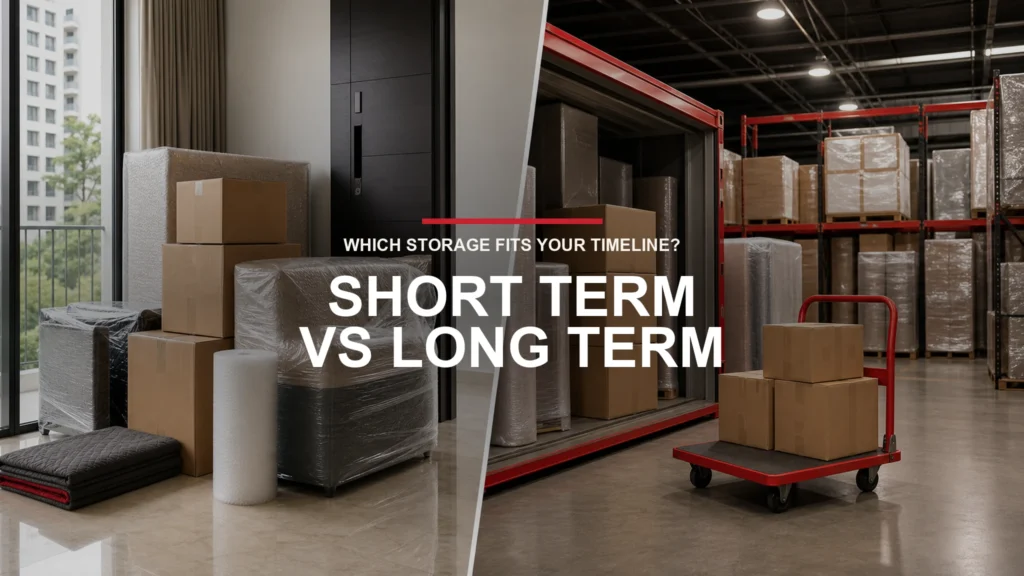
Storage falls into two broad categories in the Singapore market:
Short-term storage is the right call when your timeline is uncertain or temporary. Common triggers include:
- Waiting for your new HDB flat or condo to be ready after a lease ends
- A home renovation that runs 8-12 weeks (standard for a 4-room HDB resale)
- Storing items during an office relocation while new premises are being fitted out
- A gap between selling your current home and moving into the next one
Long-term storage makes sense when the need stretches beyond six months. Downsizing to a smaller unit with less storage space, working overseas for a year, or running a small business that needs off-site stock management are all common long-term use cases in Singapore.
The cost difference is real. Month-to-month flexibility usually commands a premium. Committing to a six- or twelve-month term with a storage provider may bring the effective monthly rate down, depending on the unit size, contract terms, and whether moving services are bundled.
How Much Does Storage in Singapore Cost?
Pricing varies by item volume, storage duration, location, access requirements, and whether pickup or delivery is included. As a broad market guide in Singapore:
| Storage Need | Typical Use Case | Estimated Market Guide |
|---|---|---|
| Small storage | A few boxes, documents, or small items | From around S$50/month |
| Partial household storage | Boxes plus selected furniture | Usually quoted based on item volume |
| Full home storage | Furniture and boxes from an HDB or condo move | Usually quoted after inventory review |
| Business storage | Stock, equipment, records, or office furniture | Depends on access frequency and volume |
For a standard 4-room HDB renovation, most households need a medium unit (approximately 30-60 sqft) to store a sofa set, bed frames, mattresses, and packed boxes.
Facilities in areas like Woodlands and Jurong West may price lower than central locations. Climate-controlled units, higher-access arrangements, and larger storage volumes usually cost more, especially for timber furniture, electronics, and documents.
One thing most comparison guides skip: if you are using a standalone self-storage facility, transportation costs are usually separate. You arrange delivery and pickup yourself, often with a separate moving company on both ends. That can add a meaningful amount to the total cost and a significant amount of coordination.
When Short-Term Storage Is the Right Call
For most HDB residents and condo owners, short-term storage arrives alongside a move or renovation.
Singapore’s HDB renovation rules require all works to be completed within one month for existing flats and three months for BTO flats from the date the permit is granted. In practice, a 4-room HDB resale renovation typically runs 8-12 weeks including delays. SCDF guidelines prohibit storing furniture in corridors during works, meaning everything needs to go somewhere.
Short-term warehouse storage solves this cleanly. Your furniture is packed, transported, and held securely until the renovation is complete, then delivered back. No staggered trips. No borrowing storage space from relatives.
For home moves in Singapore, storage can also bridge the gap between your move-out date and move-in date, a window that frequently catches residents off guard. New HDB owners waiting for defects to be rectified, or condo buyers whose completion date shifts, often need 2-6 weeks of temporary storage without a long commitment.
When Long-Term Storage Makes More Sense
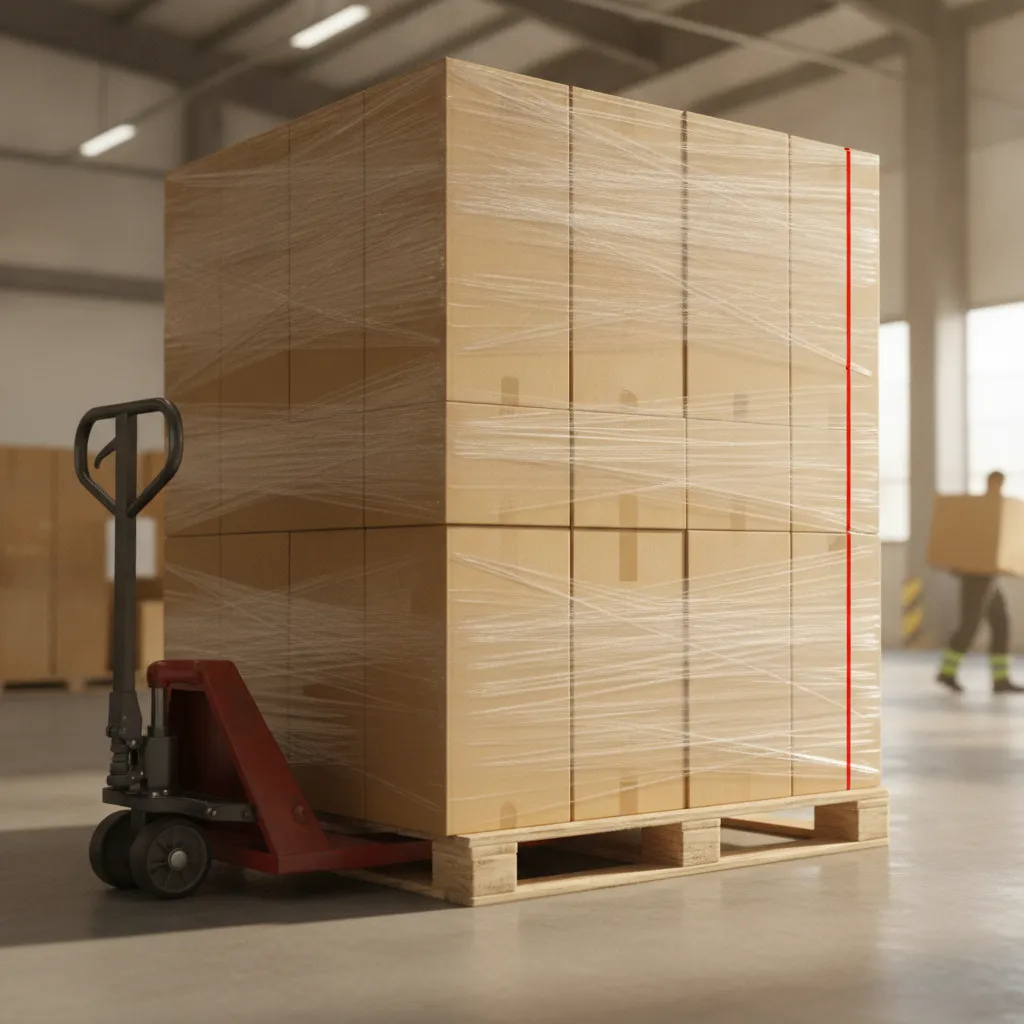
Long-term storage (six months or more) fits situations where the end date is not fixed or where the need is recurring rather than transitional.
Common long-term storage users in Singapore include:
- Families downsizing from a 5-room HDB to a 3-room after children move out
- Businesses that have completed an office relocation but have surplus furniture or archived documents
- Expats leaving Singapore for 12 months or more who need secure storage for personal items
- E-commerce sellers who have outgrown home storage but do not yet need a full warehouse lease
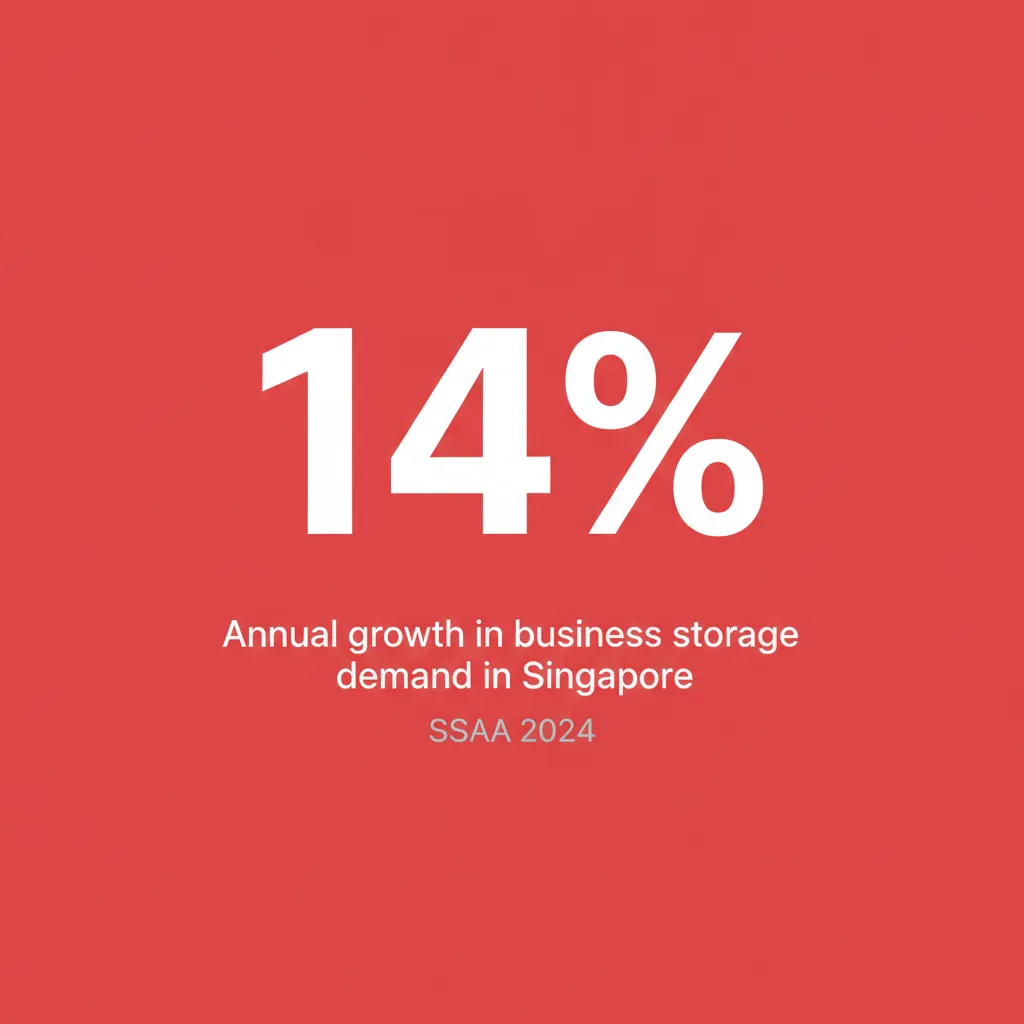
According to the Self Storage Association Asia, business demand for self-storage in Singapore surged 14% year-on-year in 2024, with businesses now representing 40% of the total self-storage market. SMEs and micro businesses are the fastest-growing segment, with many storing inventory or equipment between projects.
For long-term needs, asking about fixed-term options upfront may reduce your monthly rate. Ask about six-month or twelve-month pricing before signing a month-to-month plan, even if the provider defaults to month-to-month.
Why Using Your Mover’s Storage Changes the Equation
Here is the part most storage comparison guides skip entirely.
If you book a standalone self-storage unit, you are managing two separate operations: the move itself and the storage. That means coordinating two sets of schedules, two sets of costs, and two moments where your belongings transfer hands.
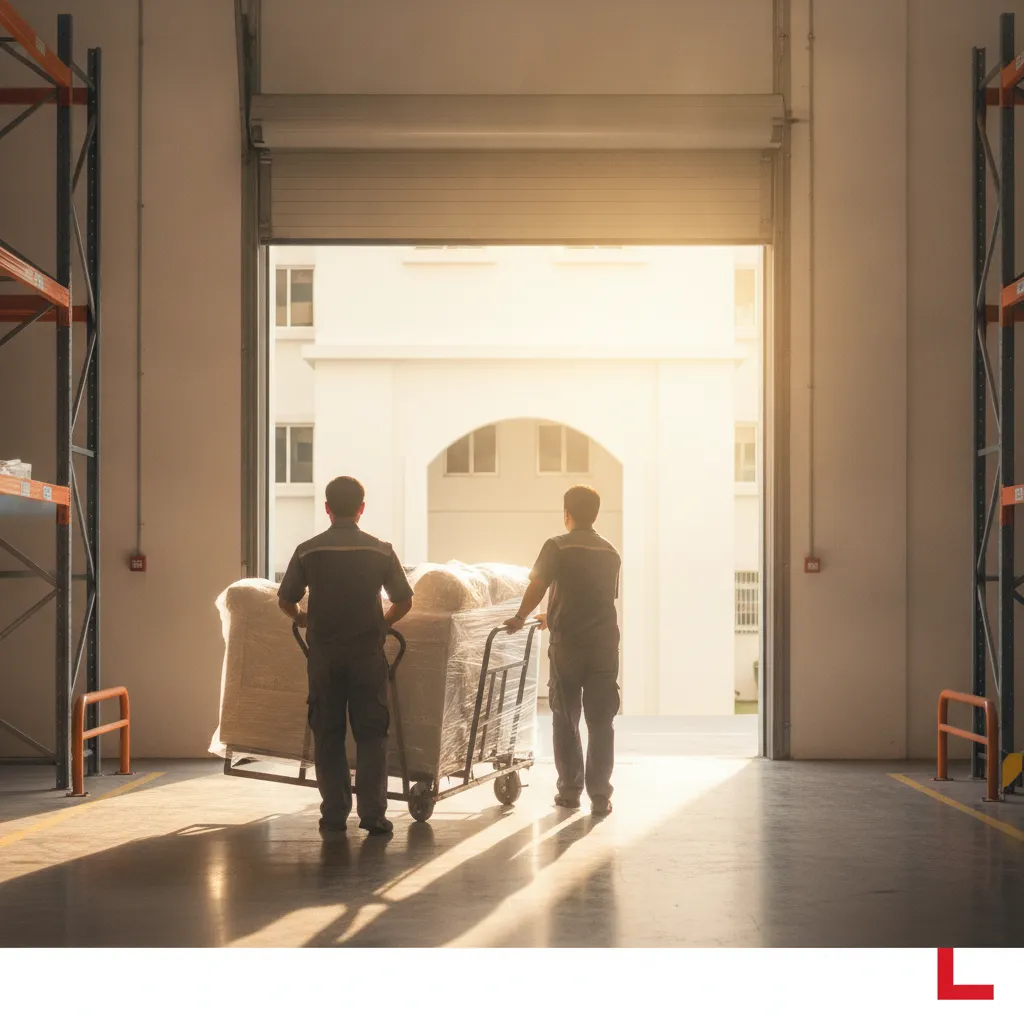
When your mover provides warehouse storage services as part of the same booking, the items are packed by the same crew, transported in the same truck, stored at the mover’s facility, and returned when you are ready without a second pickup-and-delivery cycle.
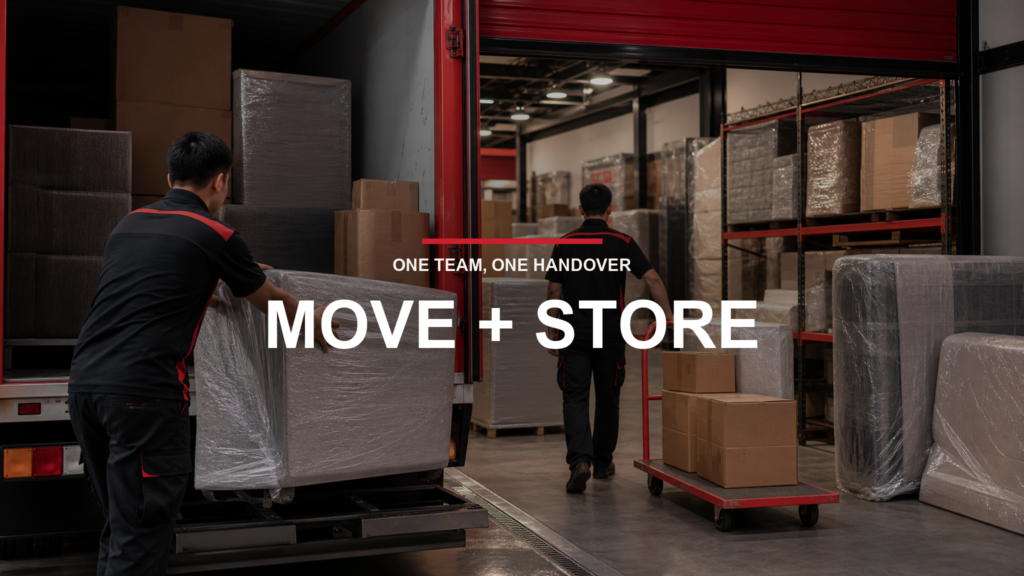
At Aspect Mover, we have handled the storage and transportation needs of more than 8,000 customers across Singapore. Our warehouse is located at Mandai Estate and operates with strict security and access controls. Items are packed by our crew before going into storage, which reduces the risk of transit damage significantly compared to self-packing and self-transporting to a standalone facility.
For customers mid-renovation or mid-move, this single-vendor approach removes a real source of stress. You deal with one contact, one quotation, one handover.
The practical test: if you have already booked or are planning to book a mover, ask whether they offer storage as part of the same service scope. The combined cost is often lower than booking a mover and a self-storage unit separately.
Frequently Asked Questions
How much does self-storage cost per month in Singapore?
As a broad market estimate, small locker-style storage can start from around S$50/month. Household storage is usually quoted based on the amount of furniture and boxes, storage duration, access requirements, and whether pickup or delivery is included. For an accurate figure, it is better to request a quote based on your actual inventory rather than relying on a fixed per-square-foot rate.
What is the difference between short-term and long-term storage in Singapore?
Short-term storage is typically month-to-month with no lock-in, used for transitional periods like home moves, HDB renovations (which run 8-12 weeks on average), or lease gaps. Long-term storage involves a fixed commitment of six months or more and may come with lower per-month rates. The key question is whether your end date is fixed. If yes, short-term is fine. If uncertain, short-term flexibility may be worth the slight premium.
Can I use storage during an HDB renovation?
Yes, and in most cases, you will need to. SCDF guidelines prohibit storing furniture in HDB corridors during renovation works, and standard 4-room renovations run 8-12 weeks. Short-term storage for a medium unit covers a typical 4-room flat’s contents. Book your storage 1-2 weeks before the renovation permit is granted, as peak periods (June-August and November-January) fill up quickly.
Is it better to use my mover’s storage or a separate self-storage facility?
If you are already booking a moving service, using the same company for storage is almost always more convenient and often cheaper in total. You avoid a second packing and transport cycle, deal with one set of scheduling, and your items are handled by people who already know your inventory. Standalone self-storage is better suited to situations where you want direct 24/7 access to your unit, are storing items long-term with no planned move, or are storing business stock that you pick from regularly.
What storage unit size do I need for a Singapore flat?
As a rough guide: a small unit (10-20 sqft) holds a few boxes or a single room’s worth of items. A medium unit (30-60 sqft) comfortably fits the contents of a 3-room HDB flat including furniture. A large unit (100+ sqft) suits a 4-room or 5-room HDB full contents, or a small office worth of furniture and equipment.
Choosing Storage in Singapore: The Short Version
Short-term or long-term, the right storage option comes down to three things: how long you need it, whether you want direct access to your items, and whether your move or renovation is already in progress.
For HDB residents, condo owners, and businesses mid-relocation, combining storage with your moving service removes the most common friction point: coordinating two separate operations across a tight timeline.
If you are planning a move or renovation and want to understand your storage options, get in touch with Aspect Mover for a no-obligation quote. Our team handles everything from packing to storage to final delivery.
Aspect Mover | Storage and Moving Services | Singapore
Recent Comments